Pimple Patches 101: How to Use Them in Your Skincare Routine
Waking up to a new pimple can be frustrating, especially when it appears just before an important day. It is tempting to squeeze it or keep touching it throughout the day, but these habits can irritate the skin and make the spot harder to manage.
This is where pimple patches can come in handy. They offer a simple way to cover individual blemishes while helping you avoid unnecessary contact with the affected area. However, knowing when and how to use them is just as important as choosing the right patch.
What Are Pimple Patches?
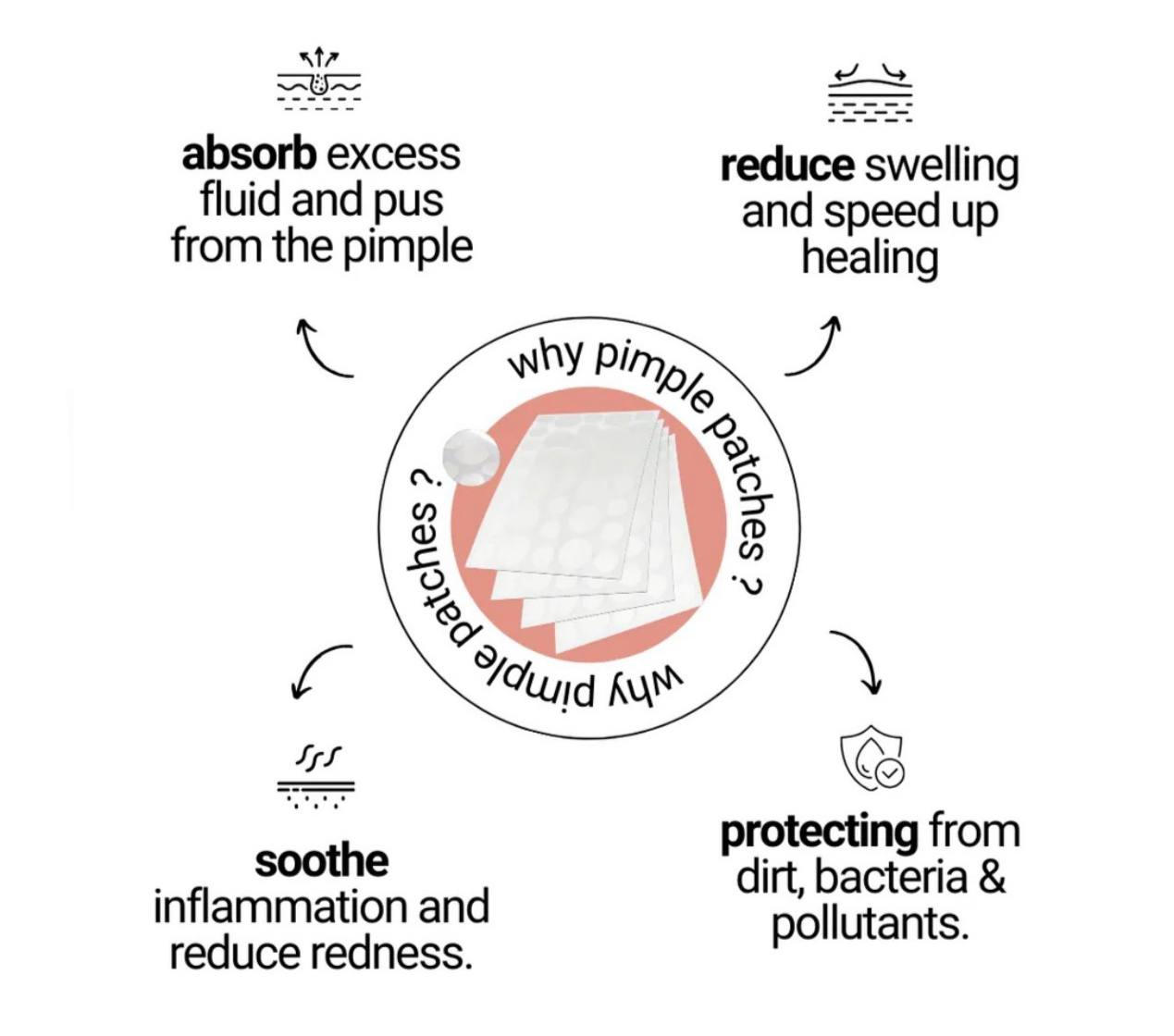
Pimple patches are small adhesive patches designed to cover individual blemishes. Many traditional pimple patches are made with hydrocolloid, a material that absorbs moisture from the covered area.
You may notice a white or cloudy spot on a hydrocolloid patch after wearing it. This can happen as the patch absorbs fluid from the blemish. It does not mean that the patch has removed every impurity from your skin or that the pimple has completely healed.
Some patches also contain additional skincare ingredients, while others focus on simply covering the spot. Since different products may work differently, always check the packaging to understand what your chosen patch is designed to do.
Which Pimples Are Suitable for Pimple Patches?
Pimple patches are generally more useful for individual blemishes that have come to a head or are close to the skin’s surface. They can also help discourage picking and touching.
However, not every pimple responds in the same way.
Small surface blemishes may be suitable for a conventional hydrocolloid patch. Deep, painful, or cystic acne is less likely to benefit from a basic patch because the problem sits deeper beneath the skin.
Pimple patches should not be treated as a complete acne treatment. If you experience frequent breakouts, painful spots, or acne that leaves persistent marks, a healthcare professional can help you find a more suitable treatment plan.
How to Apply a Pimple Patch Correctly
Getting the application right can help the patch stay in place and do its job.
Step 1: Cleanse your face.
Start with a gentle cleanser to remove dirt, excess oil, sunscreen, and makeup. Clean skin gives you a better starting point before applying the patch.
Step 2: Dry the affected area.
Make sure the skin around the blemish is completely dry. Applying a patch over wet skin or skincare products may affect how well it sticks.
Step 3: Apply the patch directly over the spot.
Place the patch carefully over the blemish and press it down gently. Avoid touching the adhesive surface more than necessary.
Step 4: Leave it on as directed.
Follow the wear time stated on the product packaging. There is no need to keep a patch on longer than recommended.
Step 5: Remove it gently.
Peel the patch off carefully. If the product instructions allow you to replace it, apply a fresh patch when appropriate.
Avoid squeezing the blemish before or after applying the patch. Picking at the skin can increase irritation and the risk of post-acne marks.
Where Does a Pimple Patch Fit Into Your Skincare Routine?
A simple routine is often enough. Cleanse your face, dry the affected area, and apply the patch according to the product instructions.
If you use other skincare products, pay attention to where you apply them. Keep the area under the patch free from creams, serums, and oils unless the product specifically says otherwise. This helps the adhesive make proper contact with the skin.
You can continue caring for the rest of your face as usual, provided your products are suitable for your skin. Avoid layering products directly underneath the patch if doing so may affect adhesion.
Common Pimple Patch Mistakes to Avoid
One common mistake is applying a patch over a spot that has been squeezed or irritated. Give the skin gentle care and follow the patch instructions rather than repeatedly touching the area.
Another mistake is expecting a patch to work on every type of acne. A basic hydrocolloid patch is not designed to treat all breakouts, and more is not always better when it comes to spot care.
It is also important to keep your expectations realistic. A pimple patch can help cover a blemish and absorb fluid, but it cannot guarantee that a spot will disappear overnight.
Find a Pimple Care Essential That Fits Your Routine
Pimple patches can be a convenient addition to your skincare collection, especially when you want to cover an individual blemish and avoid picking at it.
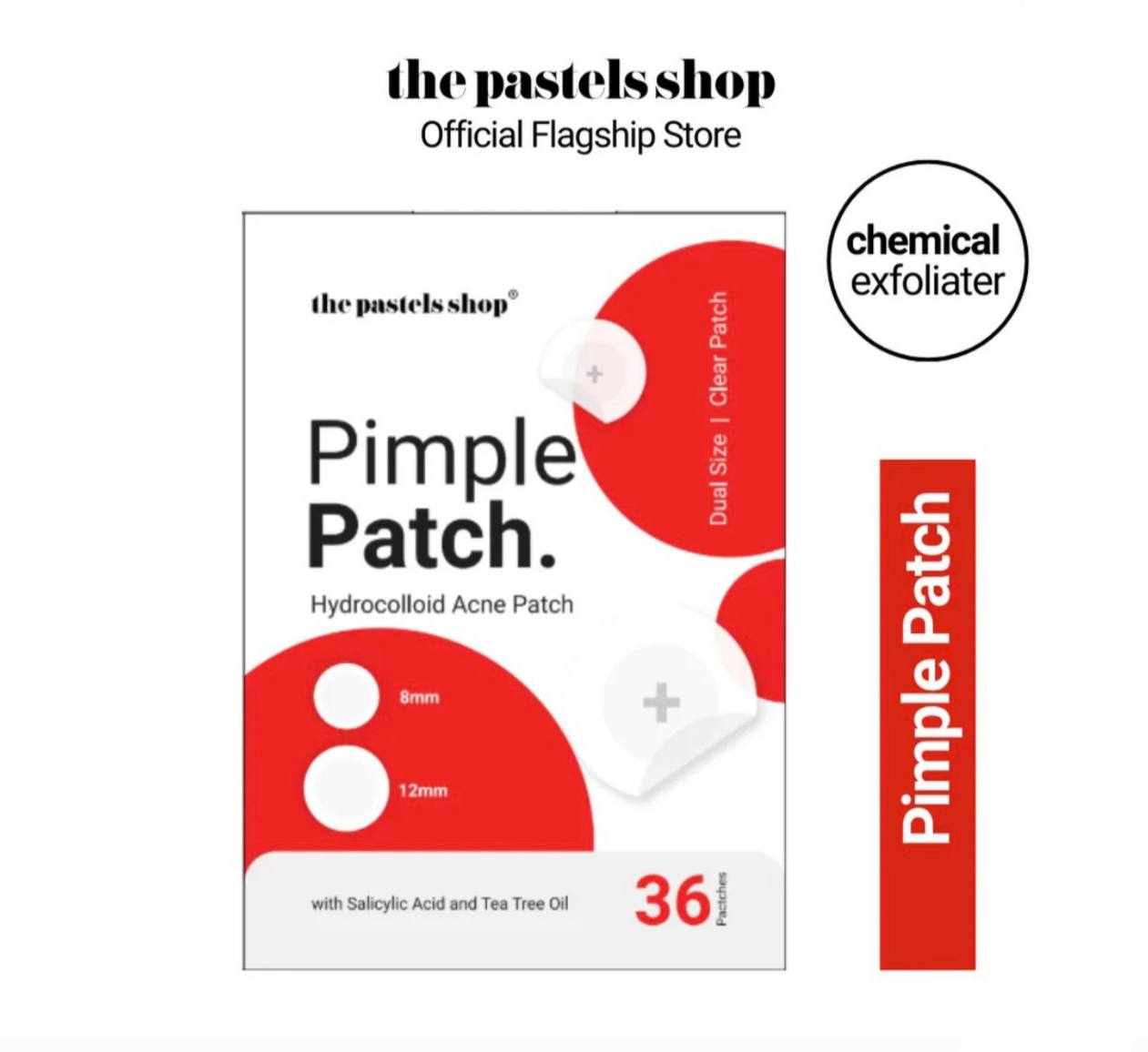
Explore The Pastels Shop Pimple Patch and check its product details to learn about its material, intended use, and application instructions.
Remember, good spot care is not about making every blemish disappear immediately. It is about treating your skin gently, choosing products that suit your needs, and giving your skin time to recover.