When reading skincare labels, you may come across ingredients such as niacinamide and panthenol. Both are commonly used in skincare formulations, but they serve different purposes. Understanding their roles can help you choose products that suit your skin’s needs.
What Is Niacinamide?
Niacinamide is a form of vitamin B3. In skincare, it is used to support the skin barrier and improve the appearance of uneven skin tone. Research also suggests that niacinamide may help with concerns such as excess oil and the appearance of pores.
However, the effects depend on factors such as the formulation, concentration, and regularity of use. Niacinamide should not be considered a guaranteed treatment for acne, dark spots, or enlarged pores.
What Is Panthenol?
Panthenol, also known as provitamin B5, is commonly used as a moisturizing and skin-conditioning ingredient. It helps support skin hydration and is often included in products formulated to maintain skin comfort.
Its benefits depend on the complete formulation rather than the ingredient name alone.
Can Niacinamide and Panthenol Be Used Together?
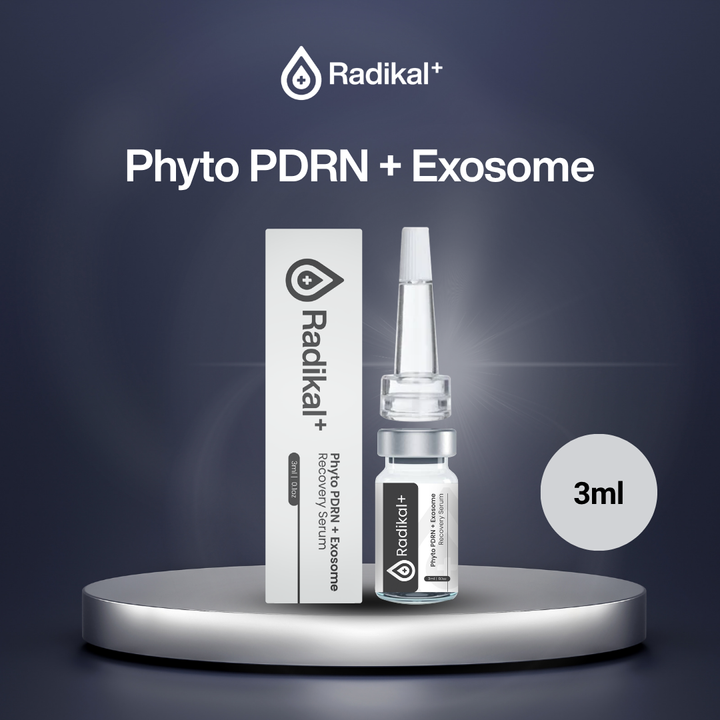
Yes. These ingredients can be included in the same skincare routine or formulation. RADIKAL+ Phyto PDRN + Exosome Recovery Serum lists both niacinamide and panthenol in its ingredient list.
Their presence does not guarantee a particular result, but understanding their functions can help you make a more informed product choice.
How Should You Introduce a New Serum?
Read the product instructions before use, especially if you have sensitive skin or already use other active ingredients. Introduce new products carefully and discontinue use if an unwanted reaction occurs.
Remember, a good skincare routine does not need to include every trending ingredient. Focus on your skin’s needs, choose suitable products, and give your routine time to work.