Does your face start looking shiny just a few hours after washing it? Or do you often find yourself reaching for blotting paper throughout the day?
If this sounds familiar, you may have oily skin.
Excess shine is a common skincare concern, especially for people living in hot and humid environments. However, having oily skin is not necessarily a bad thing.
Your skin naturally produces oil to help maintain its moisture and protect its surface. The key is understanding how much oil your skin produces and how to care for it properly.
Let’s explore what causes oily skin and how you can build a routine that helps keep excess shine under control.
What is Sebum?
Sebum is a natural oily substance produced by the sebaceous glands in your skin.
It helps lubricate the skin and supports its natural protective barrier by reducing moisture loss.
However, when your sebaceous glands produce more sebum than your skin needs, your complexion may appear excessively shiny or greasy.
This is what people commonly refer to as oily skin.
What Causes Excessively Oily Skin?
Several factors can influence how much oil your skin produces.
1. Genetics
Your genes can influence the size and activity of your sebaceous glands. If oily skin runs in your family, you may be more likely to experience similar skin characteristics.
2. Hormonal Changes
Hormonal fluctuations can influence sebum production. This is why some people notice their skin becoming oilier during certain stages of life or around their menstrual cycle.
3. Hot and Humid Weather
Warm temperatures and humidity can make skin feel oilier and sweatier. In Malaysia, these environmental conditions may make excess shine more noticeable throughout the day.
4. Skincare Habits
Using harsh cleansers or over-cleansing may leave your skin feeling uncomfortable and disrupt its moisture balance.
Choosing suitable products and maintaining a consistent routine can help support healthier-looking skin.
Does Oily Skin Still Need Moisturiser?
Absolutely!
One common misconception is that people with oily skin should avoid moisturizers.
However, oily skin still needs hydration. Skipping moisturiser may leave your skin feeling uncomfortable without addressing the underlying causes of excess sebum.
Instead, look for lightweight formulations that feel comfortable and are suitable for your skin type.
A balanced routine should focus on cleansing, hydration, and maintaining the skin barrier.
How to Care for Oily Skin?
If you often experience excess shine, here are some skincare habits worth incorporating into your routine.
1. Use a Suitable Cleanser
Choose a cleanser that removes excess oil and daily impurities without leaving your skin feeling overly dry.
Avoid washing your face too frequently, as this can cause irritation.
2. Choose Lightweight Skincare Products
Lightweight serums and moisturizers can be comfortable options for oily skin.
Look for formulations that suit your skin concerns rather than choosing products based only on popularity.
3. Avoid Over-Exfoliating
Exfoliating ingredients can help remove dead skin cells, but using them too frequently may cause irritation.
Follow product instructions and give your skin time to adjust.
4. Keep Your Skin Hydrated
Hydration remains important regardless of your skin type. Choose a moisturizer that provides sufficient hydration without feeling too heavy.
5. Remember Your Sunscreen
Sunscreen should remain part of your morning skincare routine. Choose a formulation with a finish that feels comfortable on your skin.
Skincare Ingredients to Know for Oily Skin
Understanding skincare ingredients can make it easier to choose products according to your needs.
Here are two ingredients worth knowing:
Salicylic Acid
Salicylic Acid is a beta-hydroxy acid (BHA) commonly used in skincare for oily and acne-prone skin.
It is oil-soluble and can penetrate into pores, helping remove excess oil and accumulated debris.
Niacinamide
Niacinamide, also known as Vitamin B3, is a versatile skincare ingredient.
It is commonly used in formulations designed to improve the appearance of pores, support the skin barrier, and help manage excess oil.
Both ingredients can be useful additions to an appropriate skincare routine, depending on individual skin needs.
Explore Oily Skin Essentials at The Pastels Shop
If excess shine and clogged pores are among your skincare concerns, The Pastels Shop offers several products worth exploring.
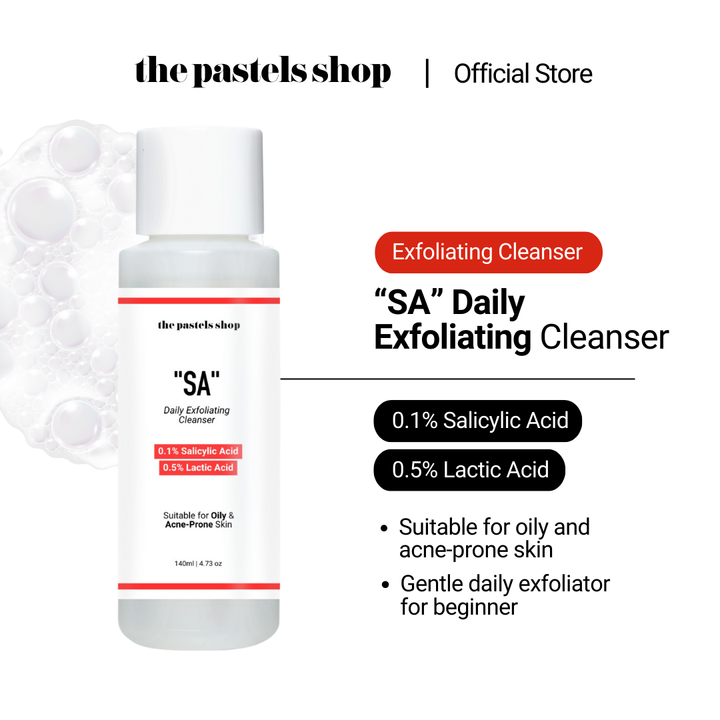
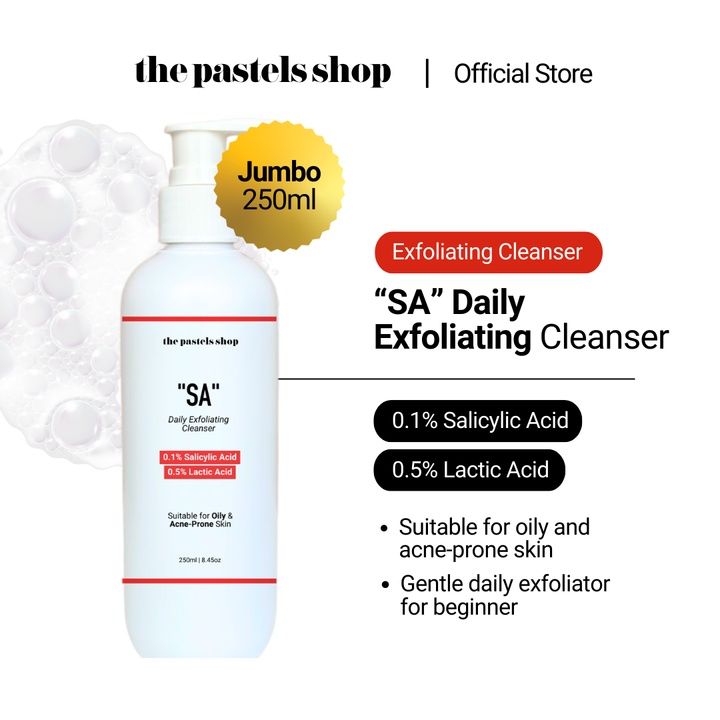
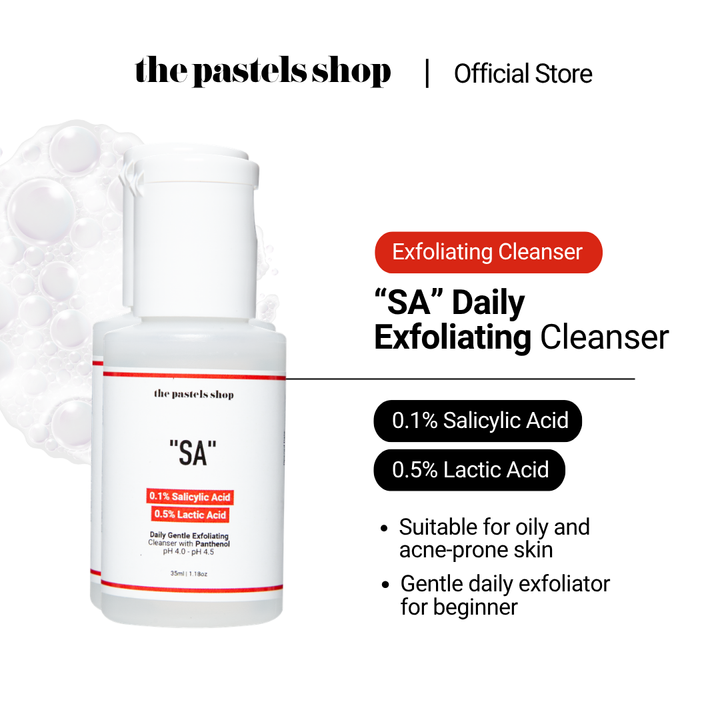
SA Cleanser
Formulated with:
• 0.1% Salicylic Acid
• 0.5% Lactic Acid
• Panthenol
The SA Cleanser is designed to cleanse the face, help unclog pores, and reduce the appearance of blackheads and whiteheads.
It is listed as suitable for oily and acne-prone skin in the TPS product guide.
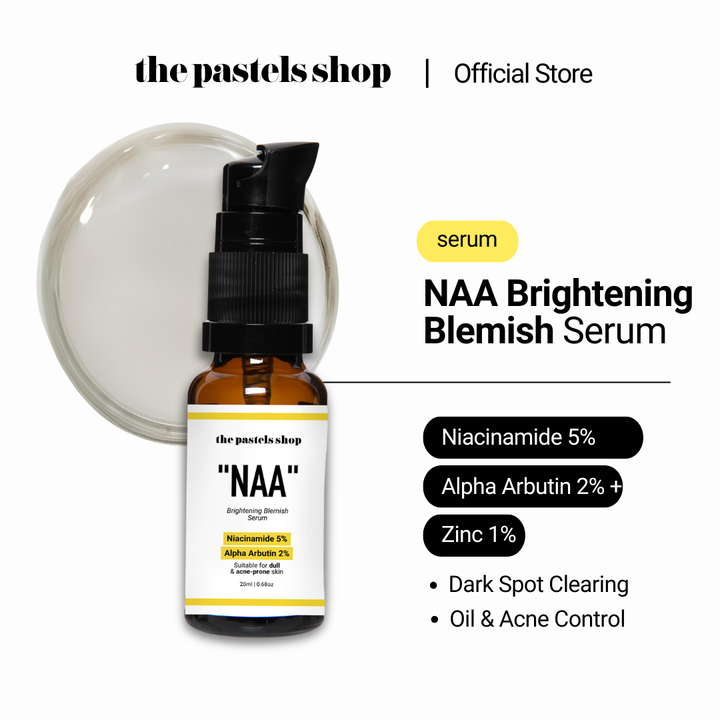
NAA Clarifying Serum
Formulated with:
• 5% Niacinamide
• 2% Alpha Arbutin
• 1% Zinc PCA
• Centella Asiatica
• Licorice Root
The NAA Clarifying Serum is designed to help control oil, address blemish concerns, and improve the appearance of dark spots and uneven skin tone.
Its lightweight, fast-absorbing, and non-sticky formulation makes it an option to explore for different skin types.
Remember to introduce new products gradually and avoid using too many exfoliating ingredients in the same routine.
Find the Right Balance for Your Skin
Having oily skin does not mean you need to remove every trace of natural oil from your face.
Sebum plays an important role in maintaining your skin’s natural protective functions. Instead of trying to eliminate it completely, focus on maintaining a balanced skincare routine.
Choose suitable products, keep your skin hydrated, and avoid habits that may cause unnecessary irritation.
At The Pastels Shop, we believe understanding your skin is the first step towards making better skincare choices.
Healthy-looking skin starts with finding the right balance, not fighting against your natural skin type.